7 illustrated, step-by-step repair manuals: small engines, lawn mowers, chainsaws, trimmers and blowers, pressure washers, generators and power tools, with an exploded diagram and numbered steps for every job. Find the symptom, follow the pictures, and stop paying the shop to do what you can do in your own garage.
“The shop wanted $95 just to look at my mower.”
“I had the carb apart on the bench and no idea how it went back together.”
Most mowers, saws and trimmers that “died” have a clogged carburetor, an old spark plug, a dirty filter or a dull chain. The part is usually $5 to $30. What you pay for at the shop is the labor and the wait, often weeks in spring. The guys who fix their own just know where to look, and they have the picture in front of them.
“Every video was a different model, and nobody showed where the little spring goes.”
A homeowner with a stubborn trimmer
Sources: public small-engine and outdoor power equipment repair shop rate guides (2026). Prices are examples and depend on the area, the machine and the job.
None of this is a skill problem. It’s a diagram problem, and these manuals put the diagram in your hands.
The week a storm knocks the power out or the first snow falls is the week every shop is booked solid. The guys who tuned up their generator, blower and saw ahead of time are the ones already working.
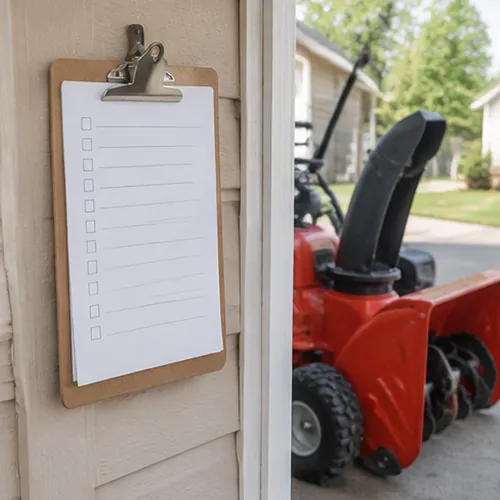
Enough time to work through the seasonal checklist, fix what’s been sitting broken and have every machine ready on the first pull.
That’s how a dead machine on the bench turns into one that starts, one picture at a time.
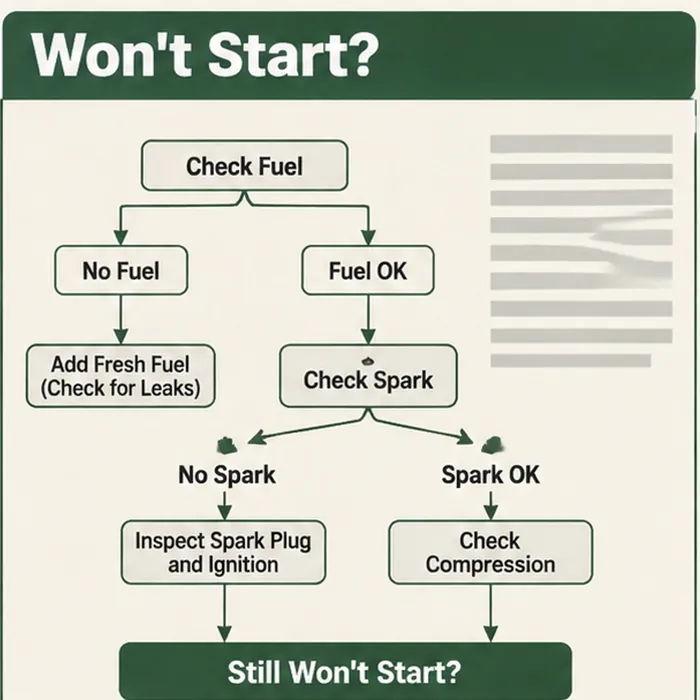
Won’t start, runs rough, no power, smokes, vibrates. Each manual opens with a fault chart that points you to the likely cause and the right page.
An exploded diagram with every part numbered, then each step drawn in order. You see where the spring goes before you take it out.
The checks to do before you put the cover back on, the settings to look for, and what to try next if it still doesn’t sound right.
Each one is inside, drawn step by step, for your own gear or for the neighbor whose mower won’t start. These are the repairs people pay for.
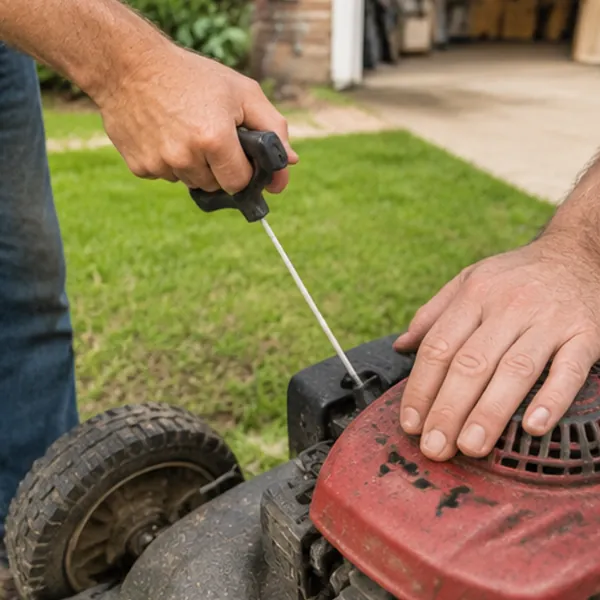
A mower that won’t startShops charge about $75–150
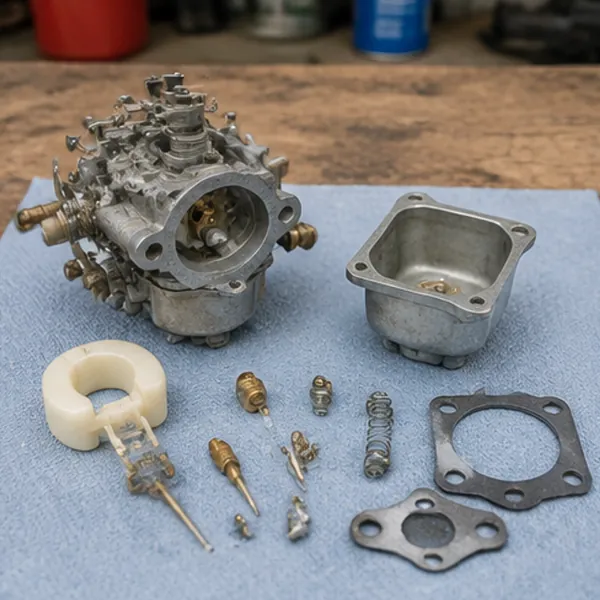
A carburetor clean and rebuildOften $60–120 plus parts
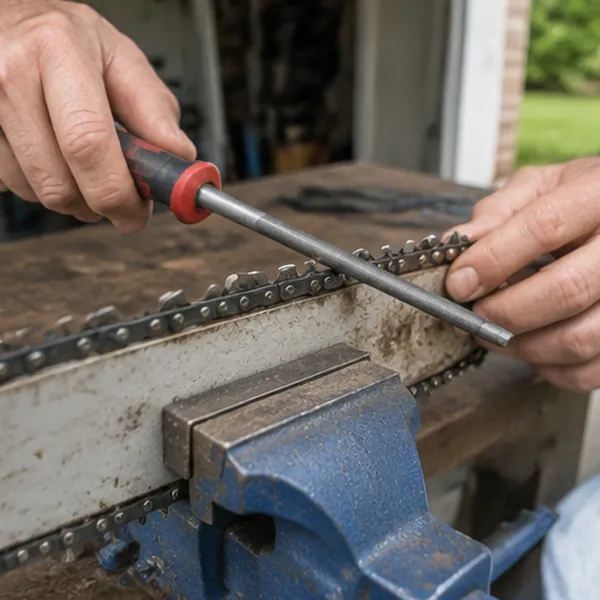
A chainsaw chain and bar tune-upSharpening: about $10–20 a chain
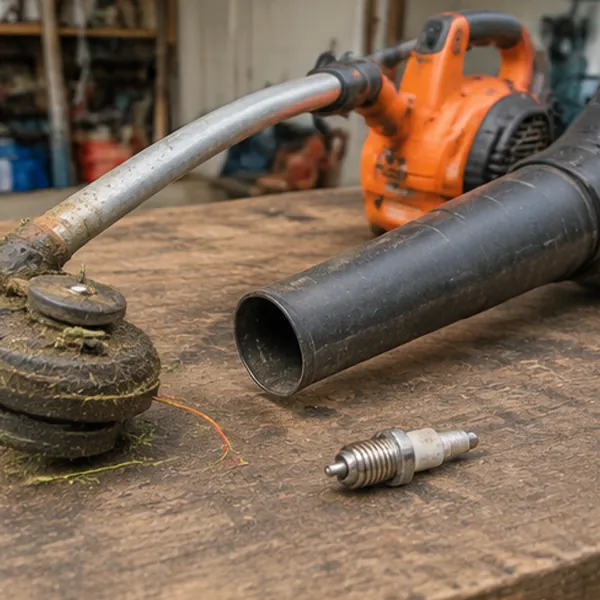
A trimmer or blower that bogs downOften $50–90 plus parts
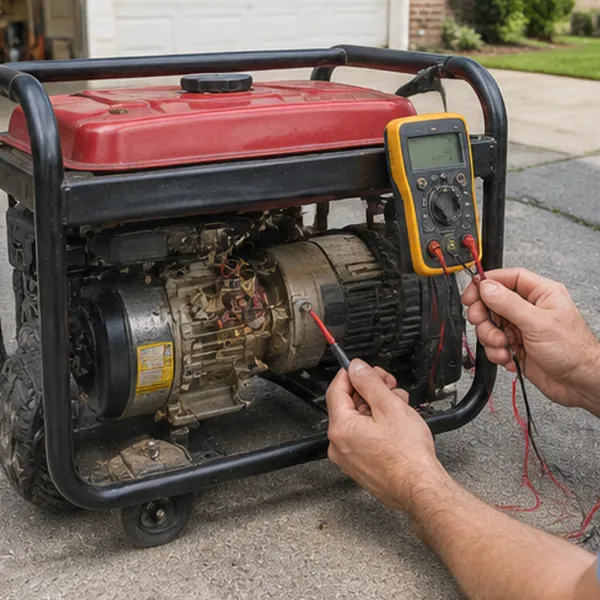
A generator that won’t fireOften $90–200 plus parts
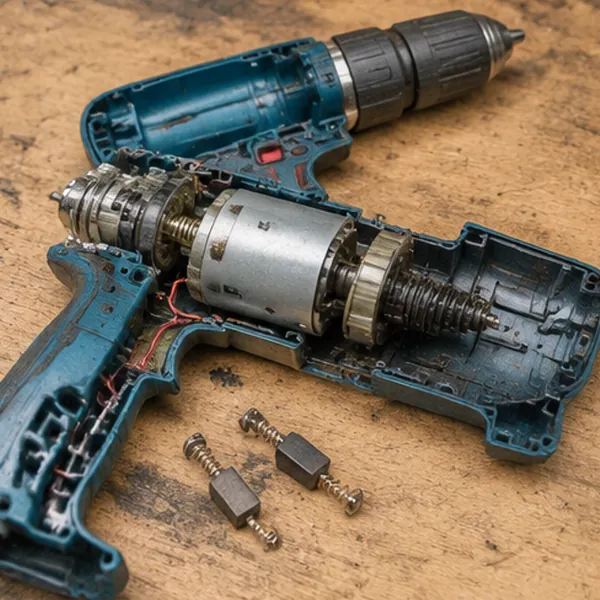
A drill or grinder losing powerOften $40–80 plus partsExample prices from public 2026 repair shop rate guides. Not a promise of what you will save or charge. Prices depend on your area, the machine and the job.
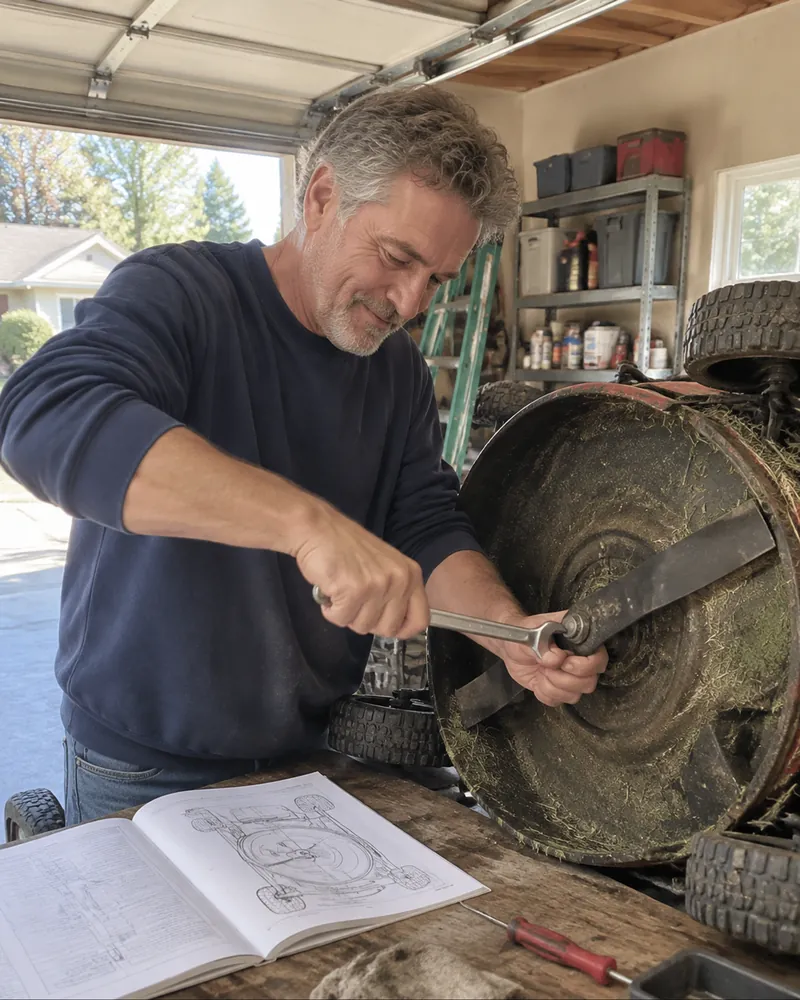
For your own gearYour mower, your saw, your generator and the drill that started smoking. Fix it this weekend, keep the shop money, and stop sending good machines to the curb over one worn part.
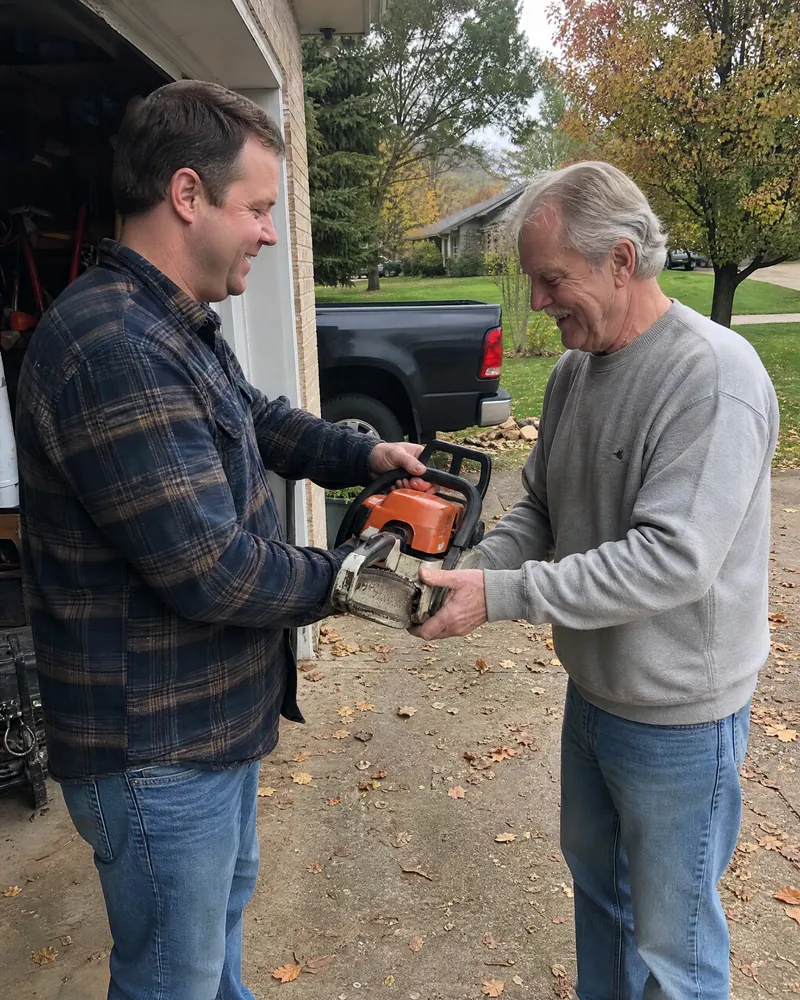
For side jobsSpring tune-ups, saw sharpening and no-start fixes for the guys on your street, out of your own garage. Start with one neighbor who already knows you, and see where it goes.
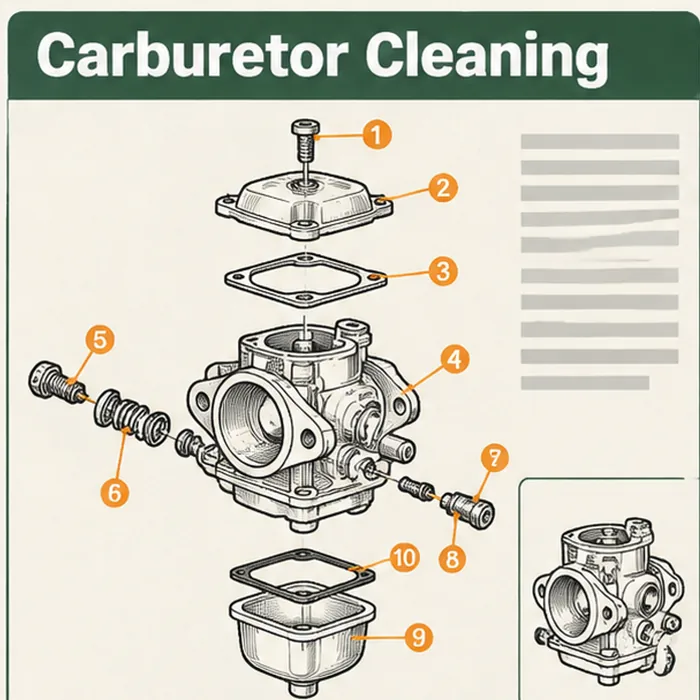
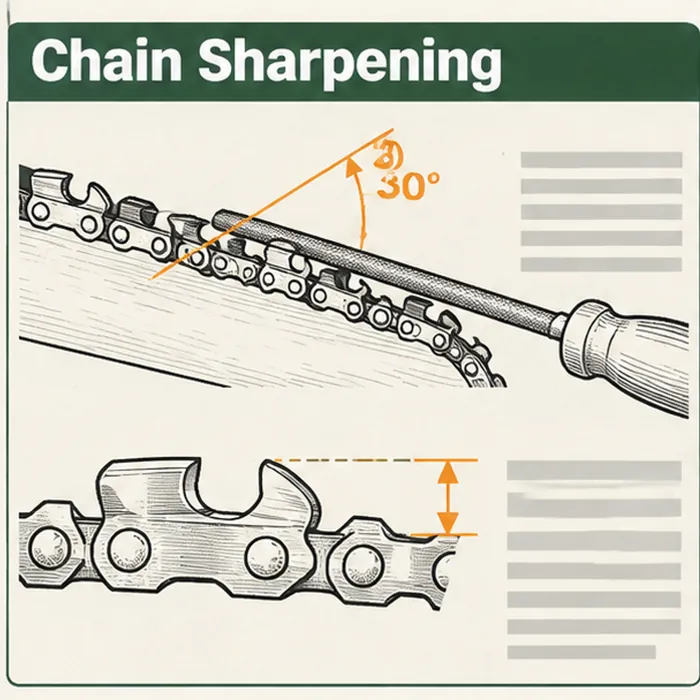
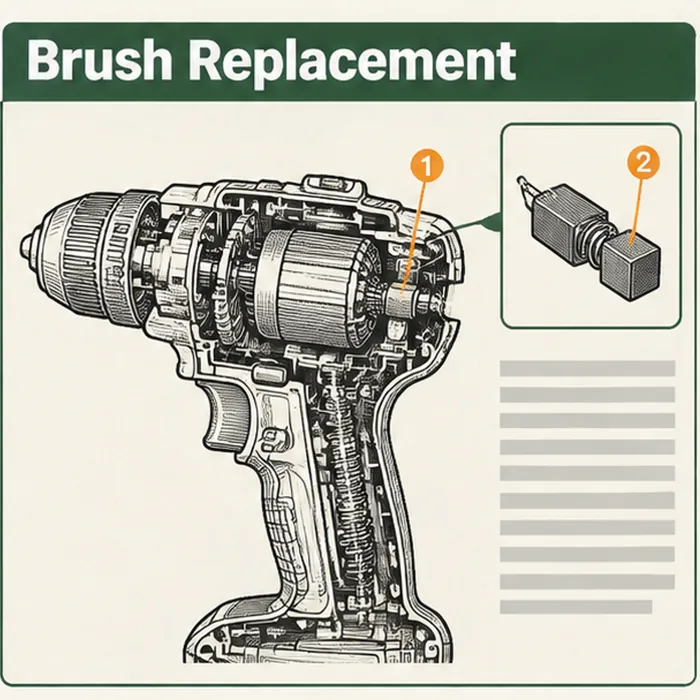
These are the kinds of pages inside: an exploded carburetor diagram, a no-start fault chart, chain sharpening and a brush replacement. Every step is drawn, not just described.
Open the manuals, find your machine and work through your first repair. If it isn’t for you, send one email within 7 days and we’ll refund you in full. No forms, no hassle.
They were exactly where you are, sure they weren’t “engine guys”.
Rick ›
Tony ›
Dad ›
Open the fault chart for the one that won’t start. Follow it to the cause, then the page for the fix. Most no-starts are fuel, spark or a dirty carb.
Sharpen the mower blade and the saw chain, change the air filter and the plug, and check the oil. The pictures show the angle, the order and the settings.
Run the checklist on every machine in the garage and winterize what won’t be used. Your first one takes longer, and that’s fine.
Open the Side-Repair Pricing Sheet: what neighbors usually pay for a tune-up, a sharpening or a no-start fix, and the message to send. Then pick the next machine.
That’s it. One week, a garage full of machines that start, and “I can take a look at yours” doesn’t sound like a stretch anymore.
From the first pull of the cord to the last turn of the wrench, every machine in the garage.
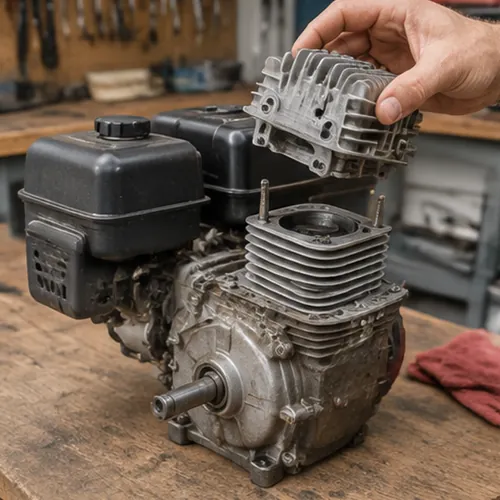
How a small engine actually works, drawn so it makes sense, then the carburetor, the ignition and the valves part by part. The base for every other manual.

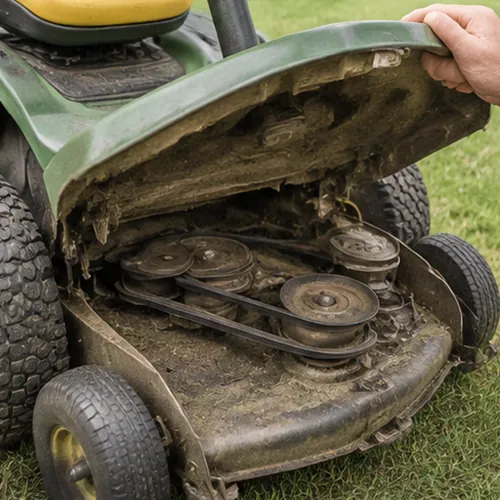
No-start fixes, blade sharpening and balancing, deck belts and pulleys, drive cables and the riding mower that won’t move. The repairs every spring brings.

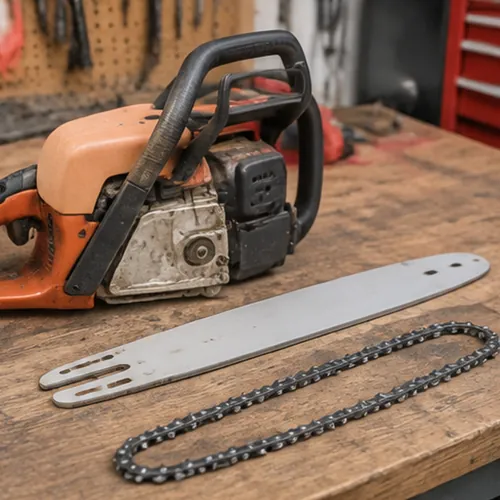
Sharpen a chain at the right angle, set the tension, fix the oiler, rebuild a recoil starter and stop a trimmer from bogging, with each step drawn.

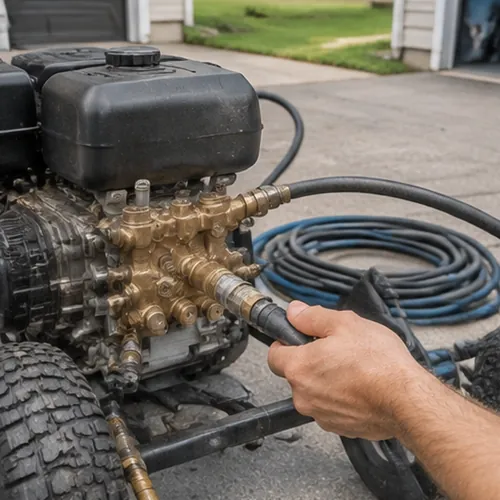
A pump that pulses, a wand with no pressure, a generator that runs but puts out nothing. Find it on the chart, fix it before the next storm.

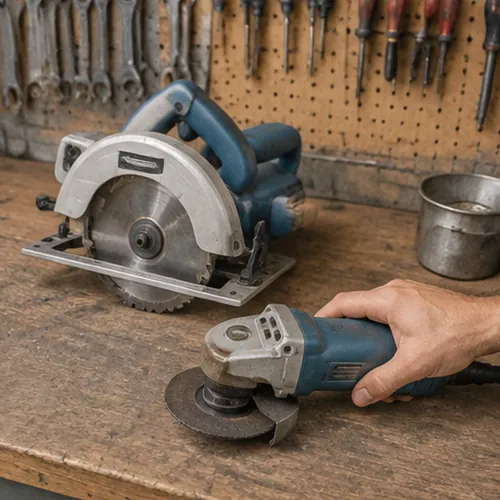
Carbon brushes, switches, cords, chucks and bearings: the cheap parts that wear out first, so a good tool doesn’t go in the trash.

The no-start flowcharts, the seasonal checklists, quick-reference cards for plugs and settings, a carburetor rebuild guide and what to charge for side repairs.

What guys say once the manuals are on the bench.
“My mower sat all winter and wouldn’t start. The shop said three weeks and $95 to look at it. The fault chart sent me straight to the carburetor, the diagram showed every part in order, and it was running Saturday morning on an $8 gasket kit.”
“My saw kept throwing the chain and cutting crooked. I’d been filing it wrong for years. The sharpening page showed the angle and the depth gauge, and now it pulls itself through oak. Two neighbors have already brought me theirs.”
“When a trimmer bogs down in July, I can’t wait on a shop. I keep the manuals on my phone in the truck. A clogged fuel filter and a dirty spark arrestor, fixed on the tailgate between two yards. I haven’t rented a backup since.”
“My drill started sparking and losing power, and I was about to buy a new one. The power tools manual showed me the brushes. Twelve dollars and fifteen minutes. Then I ran the generator checklist before the first ice storm, and it fired on the second pull.”
No. Every repair starts with what you’ll see and what tools you need, and every step is drawn. If you can turn a wrench and follow a picture, you can do most of the jobs inside.
The manuals cover how these machines work and how they fail, which is the same across most brands of mowers, saws, trimmers, washers, generators and tools. For exact specs like torque or gap, check your owner’s manual; the reference cards show you where to look.
Mostly a basic socket set, screwdrivers, pliers and a spark plug wrench. Each repair lists the tools first, and the quick-reference cards list the few extras worth having.
Every manual opens with safety steps: disconnect the spark plug or unplug the tool, work cold and away from flames, and handle fuel outdoors. Some jobs, like gas or electrical work on a home, belong to a licensed pro, and the manuals say so.
No. They are illustrated digital manuals (PDF) with diagrams and numbered steps, made to sit open next to you on a phone, a tablet or printed on the bench.
Yes. The Side-Repair Pricing Sheet shows what neighbors usually pay for common jobs and how to offer it. Check your local rules before you start a business.
We can’t promise any amount. It depends on your machines, the parts and your time. The prices on this page are examples of what shops charge, not promises. Results are not guaranteed.
Right after you pay, you get an email to open your library. Everything is there, ready to read, download and print. Nothing is shipped.
For life. Come back to any manual whenever something in the garage stops working.
No. Machine Repair Manuals is an independent set of guides. It is not affiliated with, endorsed by or sponsored by any engine, mower, saw or tool manufacturer.
Yes. Checkout is secure, access arrives by email the moment you pay, and you’re covered for 7 days.
Your purchase is covered for 7 days. Open the manuals, work through a repair, and if it isn’t for you, send us one email and we’ll refund you in full.